The journal / Research & perspectives

Knowledge from
the field.

Research findings, independent perspectives and lessons from the work of turning science into impact.

Explore 434 articles ↓
Applied laboratory research

Explore the archive

Ideas, evidence & field notes.

47 posts19–36 of 47

Apiculture & food

The Future of Botanical Honey Analysis

Botanical analysis is moving from expert-exclusive practice to operational intelligence.In the future, botanical insights will guide blending, sourcing, fraud prevention, labeling, and consumer education—continuously, no

1 min read

Apiculture & food

Honey Quality Starts Inside the Hive

Honey quality isn’t fixed at extraction—it’s shaped weeks earlier by hive health, stress, and environmental balance.By stabilizing internal hive conditions, SmartHive indirectly protects honey consistency, purity, and yi

1 min read

Apiculture & food

From Beekeeper to Bio-Data Manager

Modern beekeeping isn’t abandoning tradition—it’s upgrading it.With SmartHive, beekeepers gain a new skillset: understanding biological data, trends, and predictive signals. This elevates the profession from manual labor

1 min read

Apiculture & food

Regional Flora and Honey Identity: Why Geography Matters

The same plant species does not produce identical honey everywhere. Climate, soil, altitude, and biodiversity shape how botanical markers appear.This means global reference profiles often fail when applied locally. Regio

1 min read

Apiculture & food

Scaling Beekeeping Without Losing Control

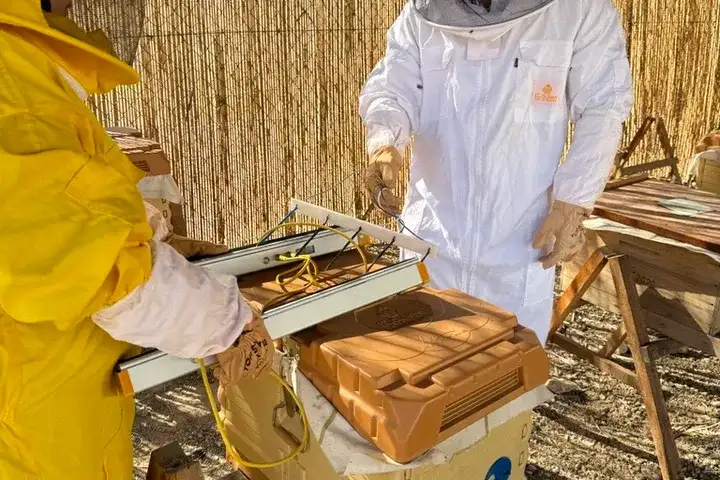
Small-scale beekeeping allows hands-on management. Large-scale operations don’t.Nahal AI SmartHive enables remote oversight of hundreds or thousands of hives, prioritizing attention where it’s actually needed.If growth i

1 min read

Apiculture & food

Botanical Origin as a Tool for Premium Honey Branding

Premium honey markets demand more than stories—they demand proof.Botanical origin provides an objective foundation for differentiation. It allows producers to justify price premiums based on verifiable floral composition

1 min read

Apiculture & food

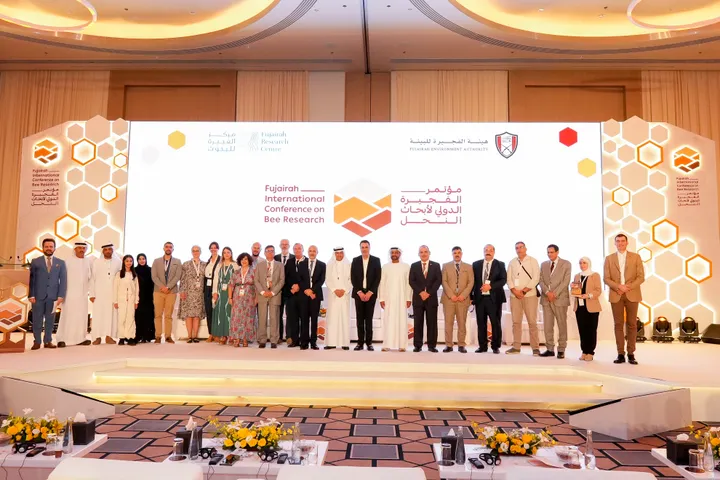
Fujairah International Conference on Bee Research 2026

Welcoming the World to UAE: Fujairah International Conference on Bee Research 2026 🐝Bees are more than pollinators.They are indicators of ecosystem health, food security, and climate resilience.In a world facing acceler

2 min read

Apiculture & food

Climate Stress and Bees: Why Old Beekeeping Models Are Breaking

Core idea: Heat, humidity, and environmental volatilityBees evolved with stable seasonal rhythms. Climate change broke that contract.Extreme heat, humidity spikes, and sudden cold snaps disrupt brood development, foragin

1 min read

Apiculture & food

Botanical Origin and Honey Fraud: The Invisible Line

Honey fraud rarely announces itself. It hides behind vague labels, blended origins, and incomplete documentation.Botanical origin analysis exposes fraud not by accusation, but by inconsistency. When the declared floral s

1 min read

Apiculture & food

How Flowers Shape Honey Flavor, Color, and Crystallization

Every floral source influences honey far beyond taste. Botanical origin shapes viscosity, crystallization behavior, color spectrum, and aroma persistence.Some plant species naturally produce honey that crystallizes quick

1 min read

Apiculture & food

Why Botanical Origin Is the True Identity Card of Honey

Honey is often described by its color, taste, or region, but none of these elements alone define what honey truly is. The most reliable identity of honey lies in its botanical origin—the plant species that bees visited t

1 min read

Apiculture & food

Not All Bees Are Equal:

Why Protecting Our Local Bees Matters More Than EverAcross our deserts, farms, wadis, and mountain valleys, bees work quietly, tirelessly, and almost invisibly. They pollinate our fruit trees, support our wild plants, an

2 min read